
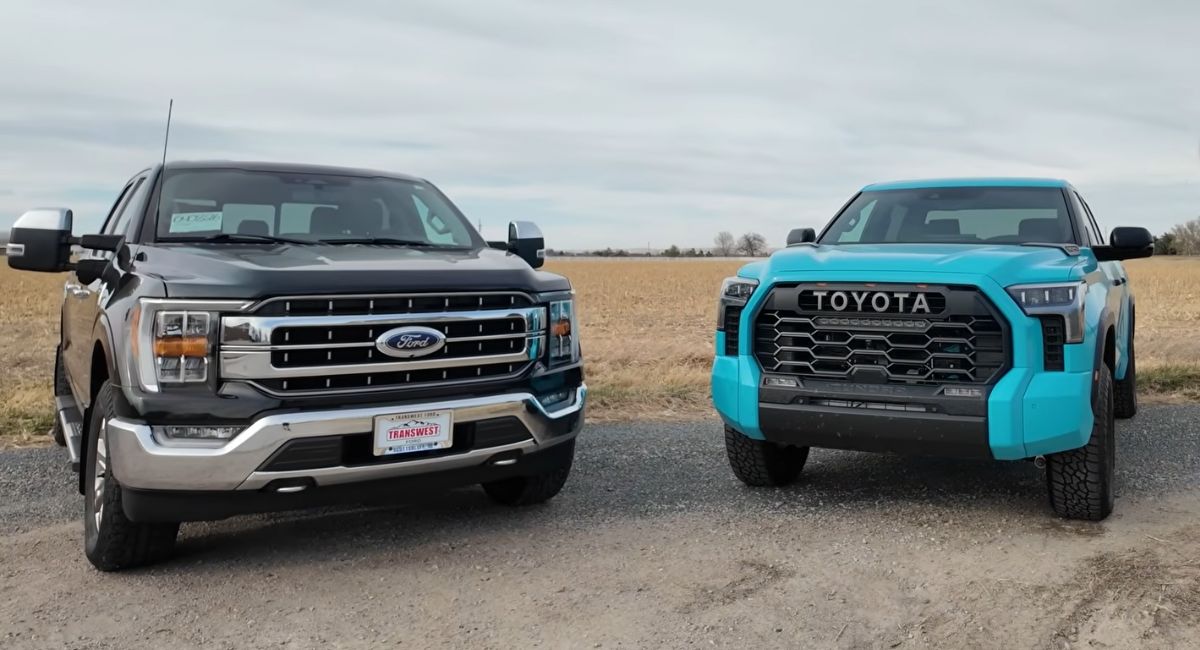
Five years after buying a new pickup truck, the monthly payments are hopefully behind you, the odometer has accumulated some serious mileage, and the dealership wants to know if you’re interested in trading it in.
That’s when the Ford F-150 and Toyota Tundra reveal one of their biggest differences.The F-150 has dominated American truck sales for decades.
It offers enormous capability, an extensive engine lineup, and enough configurations to satisfy almost anyone.
Toyota has spent years building a loyal customer base around durability and long-term ownership.
When resale value enters the equation, Toyota delivers a decisive beating.
The latest five-year depreciation figures show the Tundra retaining substantially more of its original value.
The difference is large enough to change the financial argument for buying either truck.
And Ford should be worried.
The Five-Year Resale Numbers Are Brutal for Ford
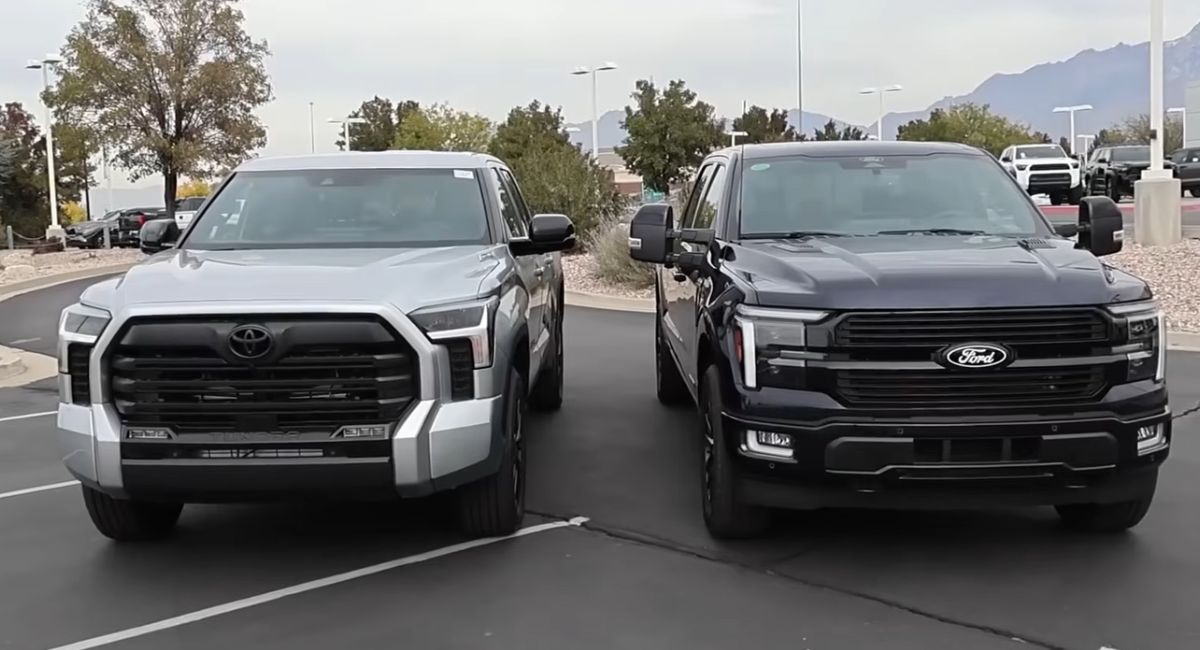
According to iSeeCars’ 2026 depreciation study, which analyzed more than 950,000 five-year-old used vehicles sold between March 2025 and February 2026, the Toyota Tundra loses just 21.2% of its value over five years.
The Ford F-150 loses 37.9%.
Here’s how the numbers compare:
| Five-Year Resale Metric | Toyota Tundra | Ford F-150 |
|---|---|---|
| Average depreciation | 21.2% | 37.9% |
| Value retained | 78.8% | 62.1% |
| Average dollar difference from MSRP | $8,746 | $14,141 |
| Depreciation ranking among trucks | 2nd | 10th |
The difference in retained value is 16.7 percentage points.
Toyota finishes second among pickup trucks, behind the smaller Tacoma. Ford’s best-selling F-150 lands in tenth place.
That’s a particularly embarrassing result for a truck that has become practically synonymous with American automotive success.
For perspective, the study places average five-year truck depreciation at 34.2%. Toyota comfortably beats that benchmark. Ford falls behind it.
The used market has delivered its verdict, and the Tundra’s resale reputation looks thoroughly deserved.
What That Difference Actually Means for Your Wallet
Consider two hypothetical trucks purchased new for the same $50,000.
Apply the depreciation percentages from the study, and the five-year figures become considerably more interesting.
That’s an $8,350 difference.
The example uses an identical starting price to illustrate the percentage gap. Actual resale values depend on transaction prices, equipment, mileage, condition, and market conditions. The study also uses inflation-adjusted MSRPs, making its findings unsuitable as a literal cash-loss forecast for an individual purchase.
Still, the financial consequences are obvious.
An $8,350 advantage could cover a substantial portion of the down payment on another vehicle. It could also offset years of insurance, maintenance, or fuel expenses.
Truck buyers routinely agonize over relatively small differences in fuel economy. Depreciation can quietly swallow considerably more money.
We’d argue that resale value deserves a place near the top of every serious truck buyer’s checklist.
Why the Toyota Tundra Holds Its Value So Well
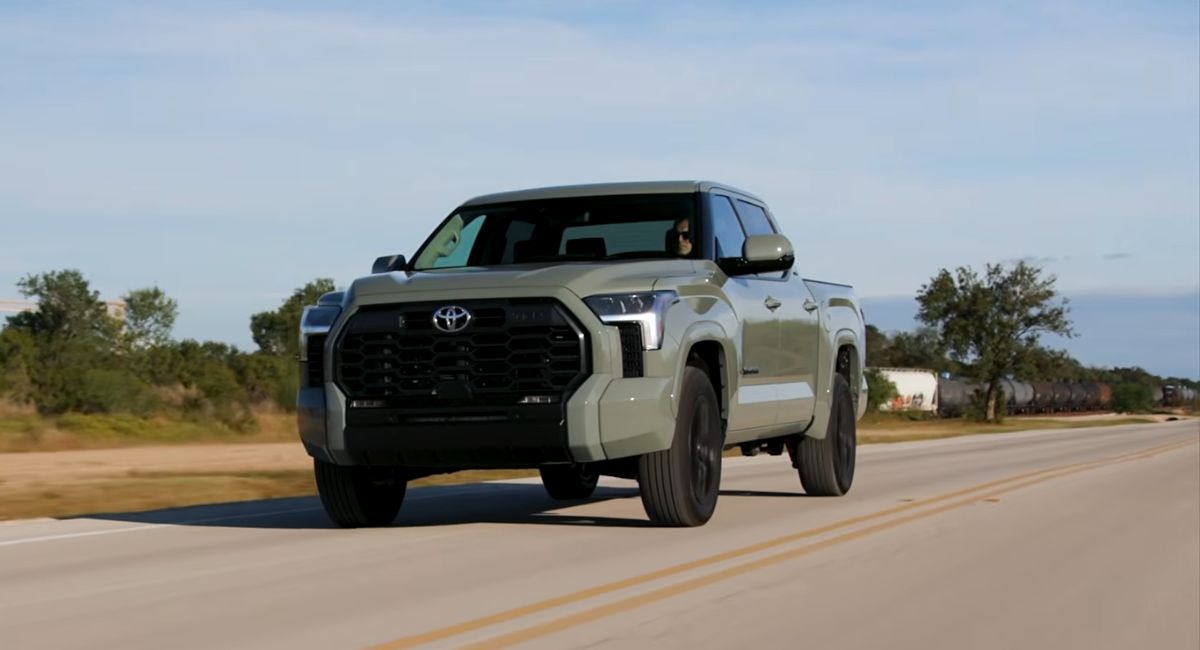
Toyota’s strongest asset is the reputation it spent decades earning.
The Tundra developed a following among buyers who wanted a full-size pickup capable of accumulating enormous mileage. Its long-running 5.7-liter naturally aspirated V8 became especially popular among owners who valued mechanical familiarity and proven durability.
That reputation influences used-truck shopping.
A buyer considering a five-year-old pickup may be preparing to keep it for another five or ten years. Expected longevity becomes a major part of the purchasing decision.
Toyota benefits from that confidence.
The 2026 iSeeCars figures place the Tundra among the five best-performing vehicles across all categories for value retention. That’s extraordinary territory for a full-size pickup.
There’s another factor worth considering: availability.
The F-150 occupies an enormous portion of the American truck market. Toyota sells far fewer full-size pickups, giving used Tundra shoppers a smaller selection.
Limited availability can support asking prices when demand remains strong.
We wouldn’t attribute Toyota’s entire advantage to scarcity. The Tundra’s established ownership reputation provides a much more convincing foundation.
Ford’s Biggest Strength Creates a Complicated Resale Market
Ford has developed the F-150 into an extraordinarily versatile vehicle.
Buyers can choose different engines, cab configurations, bed lengths, drivetrains, and trim levels. The lineup accommodates basic work trucks, luxurious family pickups, serious towing vehicles, and dedicated off-road machines.
That variety is genuinely impressive.
It also makes resale comparisons more complicated.
An F-150 XL purchased for commercial work has a different ownership history and potential buyer pool from a privately owned Lariat or Platinum. A Raptor attracts enthusiasts willing to pay for specialized performance.
Engine choice matters, too.
Ford’s EcoBoost V6 engines offer strong torque and impressive towing capability. The naturally aspirated 5.0-liter V8 continues to appeal to buyers who prefer a conventional gasoline powertrain.
The PowerBoost hybrid adds another ownership proposition, combining electric assistance with available onboard electrical power.
Individual configurations can therefore perform substantially differently on the used market.
Ford’s problem is the overall depreciation result. Its breadth of choice has failed to produce Toyota-level average value retention.
And buyers paying premium prices for highly equipped trucks should examine that uncomfortable reality before signing a financing agreement.
Ford Still Has a Serious Advantage in Capability
Resale value rarely tells the entire ownership story.
The F-150 remains one of the most versatile full-size pickups available, particularly for buyers who regularly tow substantial loads.
According to Ford’s 2026 specifications, a properly equipped F-150 offers maximum towing capacity of 13,500 pounds and maximum payload of 2,440 pounds.
Toyota’s redesigned Tundra offers a maximum towing capacity of 12,000 pounds, according to the manufacturer’s official engineering announcement.
Both maximum ratings require specific configurations.
For an owner who regularly pulls a heavy trailer, Ford’s additional capacity could be extremely valuable.
The F-150 also offers useful equipment such as Pro Power Onboard and trailer-assistance technology. Features like those can make a meaningful difference during daily work.
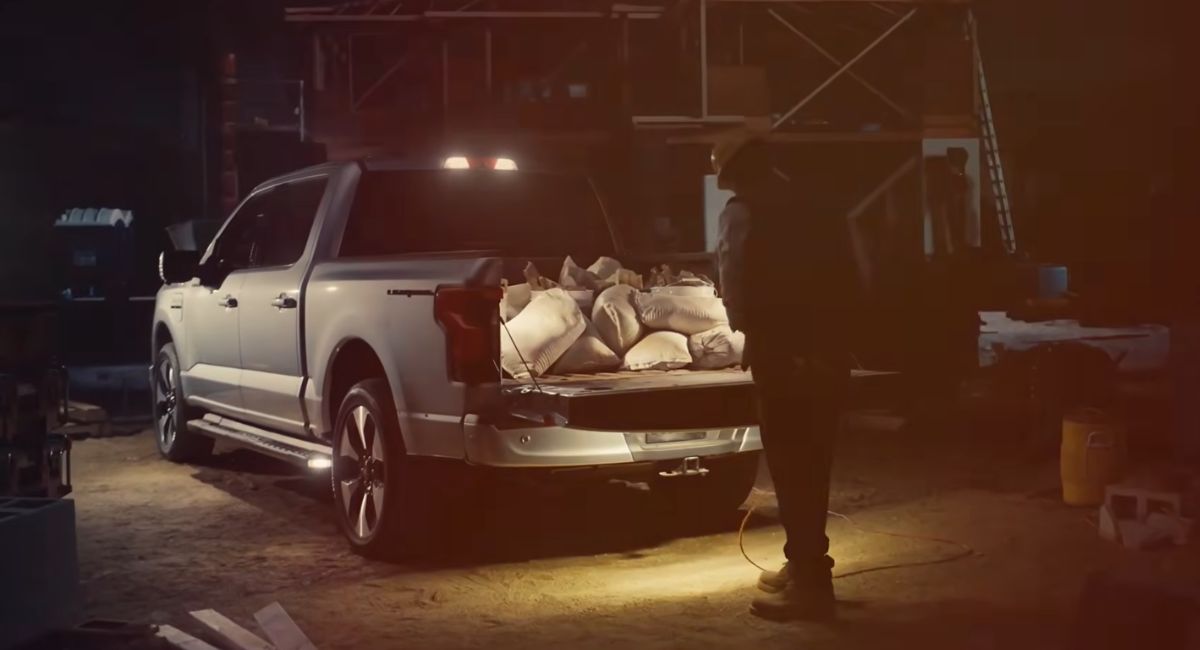
A strong resale percentage becomes considerably less appealing when your pickup lacks the capability your workload demands.
There’s a Major Catch With Toyota’s Resale Reputation
Here’s the detail every prospective Tundra buyer needs to examine carefully.
The five-year-old trucks represented in the 2026 depreciation study largely come from the previous generation.
Toyota completely redesigned the Tundra for 2022, replacing the long-serving V8 with a twin-turbocharged V6 and introducing a hybrid option.
That distinction matters enormously.
The older V8-powered Tundra has an established durability record. The newer generation has experienced significant engine-related problems.
In May 2026, Toyota announced another Tundra engine recall, covering approximately 44,000 vehicles from the 2024 model year in the United States.
The company identified manufacturing debris that could damage internal engine components and potentially cause a loss of power. Earlier related recalls had already affected additional vehicles.
Toyota has taken steps to address the manufacturing problem, including improved engine components.
Nevertheless, the situation raises an important question about future depreciation.
We wouldn’t bet money on an identical result yet.
Toyota’s reputation deserves respect. Buyers of the newer generation should examine recall completion, engine history, and warranty coverage carefully.
The 2026 depreciation study provides strong historical evidence. It cannot establish the future resale performance of the redesigned truck.
The Smartest Purchase Might Be a Used F-150
There’s an interesting opportunity hidden inside Ford’s weaker depreciation figures.
A truck losing value quickly creates potential savings for its second owner.
A three- or five-year-old F-150 may offer an attractive purchase price relative to its original MSRP, particularly when buyers focus on common configurations with strong local availability.
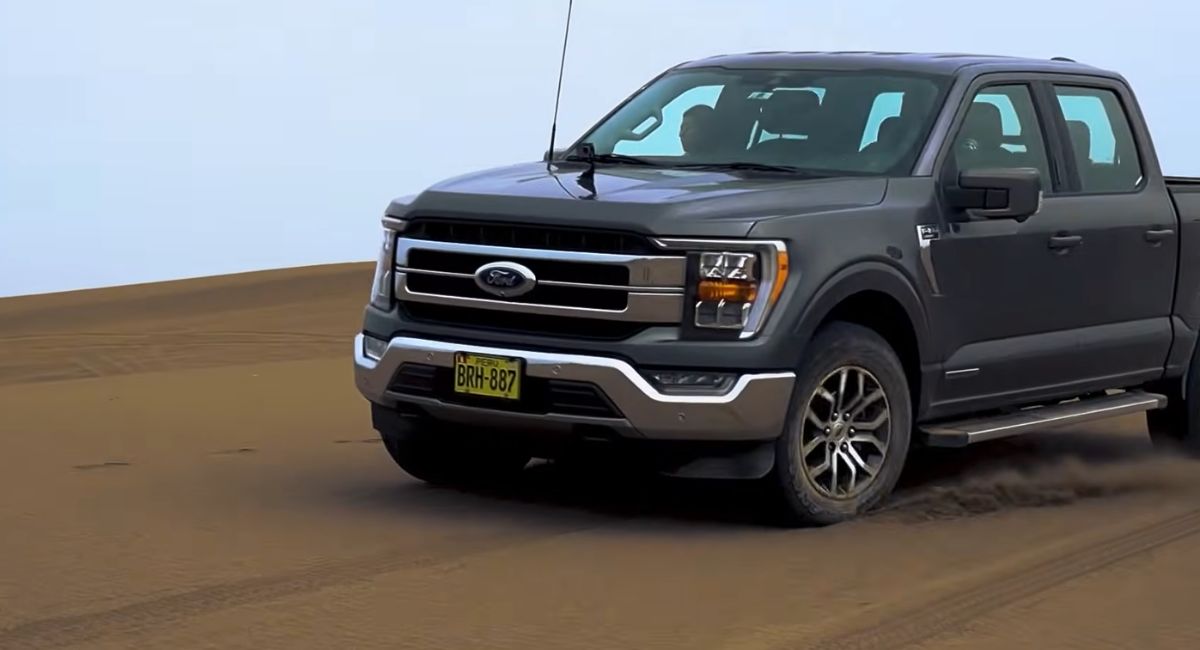
That makes the Ford worth investigating as a used purchase.
An F-150 equipped with the engine, towing package, and cab layout you need could provide exceptional utility without the financial burden of purchasing new.
The Tundra presents a different proposition. Strong resale values benefit existing owners and create higher entry costs for used buyers.
Before buying either truck, we’d recommend comparing:
Buyers should also research local pricing. National depreciation figures cannot capture every regional market.
A heavily discounted new F-150 could narrow the effective ownership-cost difference considerably.
Our Verdict: Toyota Wins the Resale Battle
The Toyota Tundra is the clear winner in five-year value retention.
A 21.2% depreciation rate against the F-150’s 37.9% represents an enormous advantage. Toyota’s performance is exceptional even by the standards of a vehicle category known for strong resale values.
Ford has plenty to celebrate in capability, choice, and versatility. Its depreciation numbers deserve equally serious attention.
For someone purchasing a truck new and planning to sell after approximately five years, we would put the Tundra at the top of the shopping list, subject to the exact model year and mechanical history.
For someone shopping used, the F-150 deserves a very close look. Its heavier depreciation can create a compelling buying opportunity.
And here’s our strongest advice: never pay an excessive premium for Toyota’s reputation without calculating the actual ownership costs.
The old V8 Tundra helped establish an impressive financial legacy. The newer generation must earn its own.