
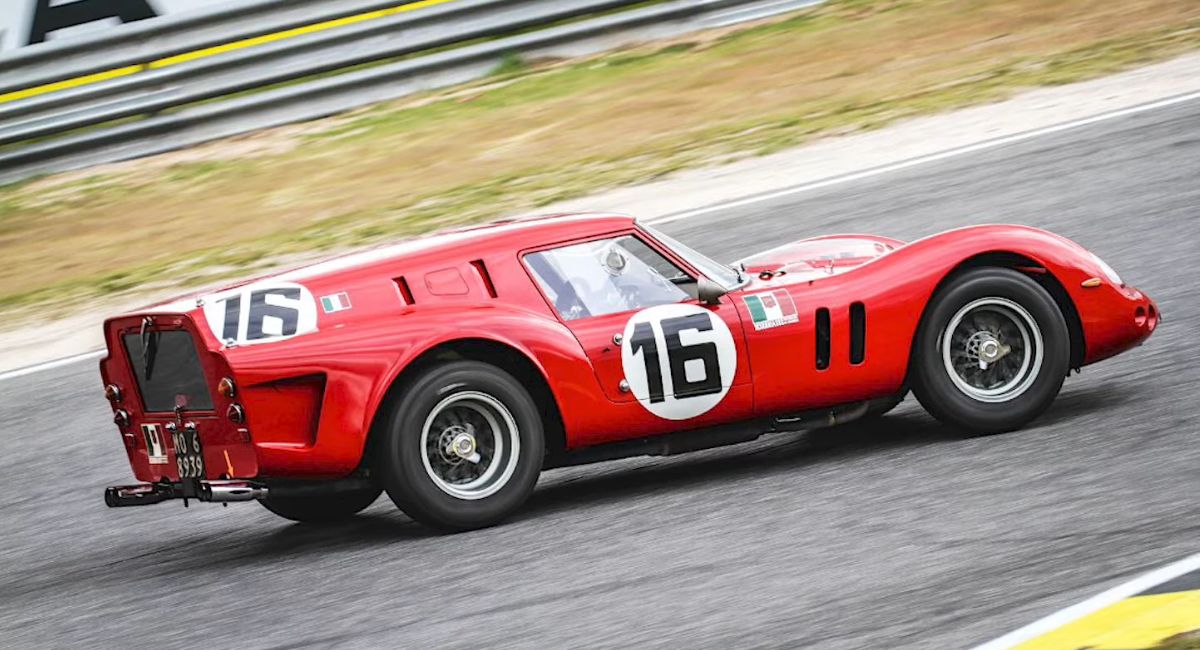
In 1962, a furious Italian count, a former Ferrari engineer, and a heavily modified racing car challenged Enzo Ferrari on his own territory. The result was one of the most outrageous machines in motorsport history.
Enzo Ferrari was accustomed to getting his way. He decided who could buy his best racing cars, which drivers deserved a seat, and how things would be done at Maranello. If you didn’t like it, that was your problem. Count Giovanni Volpi apparently didn’t get the message.
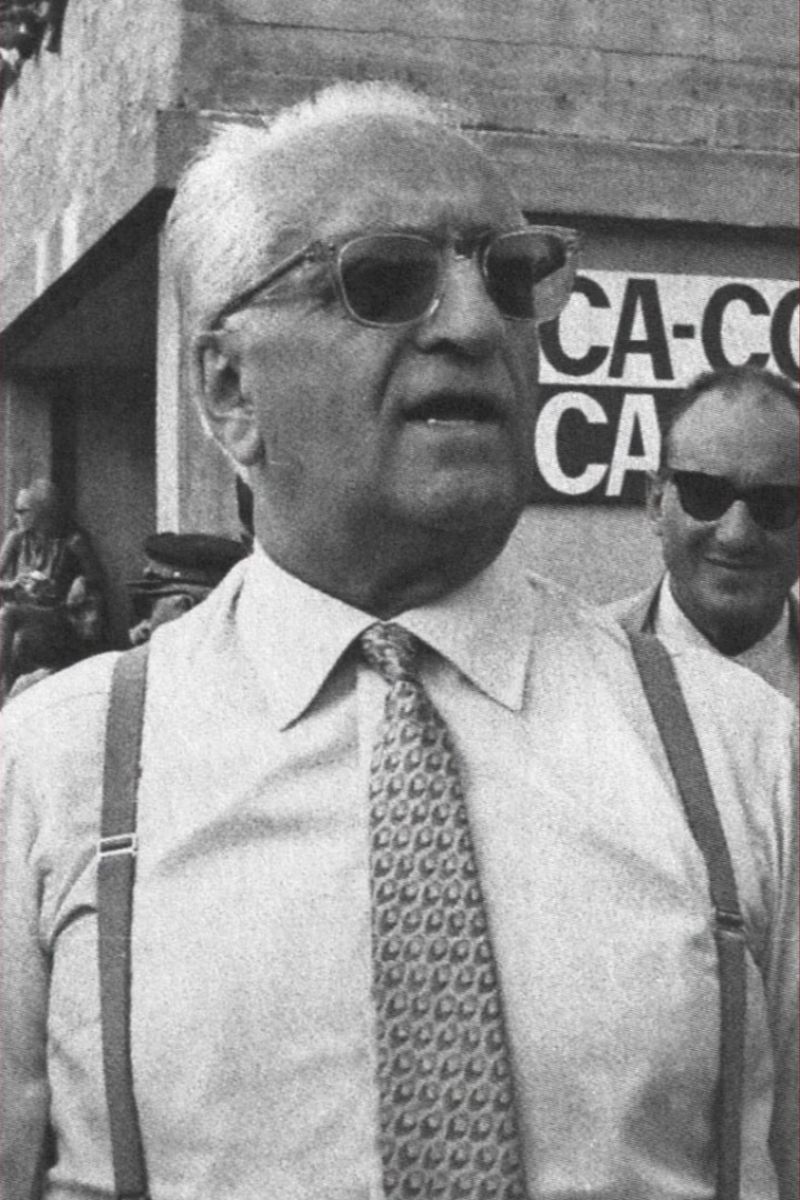
When Ferrari refused to sell the wealthy Venetian two examples of his latest racing masterpiece, the 250 GTO, Volpi didn’t beg, negotiate endlessly, or accept defeat.
He found another Ferrari, assembled a team of extraordinarily talented people, and created something that Enzo would have preferred never existed.
The result was the 1962 Ferrari 250 GT SWB Breadvan, arguably the most spectacular act of mechanical defiance in Ferrari history.
It looked ridiculous. It was brutally fast. And for a brief, glorious period at Le Mans, it made Ferrari’s precious GTOs look rather ordinary.
The Count Who Wouldn’t Take No for an Answer
Giovanni Volpi wasn’t some eccentric millionaire who suddenly decided to play racing driver.
He founded Scuderia Serenissima in 1960, naming the team after Venice, his family’s historic home. The operation quickly established itself as a serious competitor, running machinery from Ferrari, Maserati, and Abarth.
View this post on Instagram
At Sebring in 1960, Serenissima took a class victory with a Ferrari 250 GT. Two years later, the team won the famous 12-hour race outright, with Jo Bonnier and Lucien Bianchi driving a Ferrari 250 TR.
These were genuine achievements. Volpi understood racing, employed capable people, and possessed the resources to compete properly. Unfortunately, he also had something Enzo Ferrari disliked: independence.
By 1961, Volpi had become associated with Automobili Turismo e Sport (ATS), a rival venture involving prominent engineers who had departed Ferrari during the company’s notorious internal upheaval.
For Enzo, this was an unforgivable association. So when Volpi wanted two examples of the new Ferrari 250 GTO, the answer was no.
Ferrari had every right to decide who received his cars. But refusing an established customer because of his connections to a rival operation was a spectacular display of wounded pride. Worse, it was a tactical mistake.
Ferrari Refused the Car. He Couldn’t Refuse the Talent.
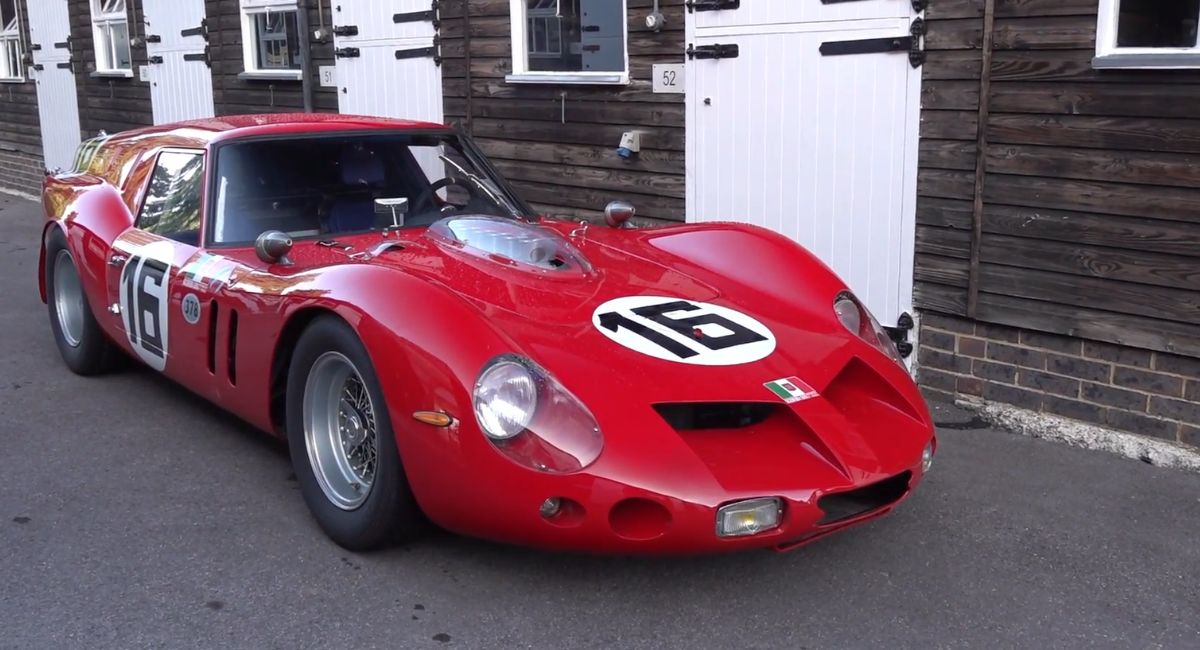
Volpi’s response was beautifully simple. If Maranello wouldn’t supply him with a 250 GTO, he would create his own challenger.
He acquired a 1961 Ferrari 250 GT SWB, chassis 2819 GT, previously driven by four-time Le Mans winner Olivier Gendebien.
It was already a formidable racing car, with a three-liter V12 and the kind of mechanical pedigree that made Ferrari the benchmark for GT racing.
But Volpi wasn’t interested in merely repainting an existing Ferrari and hoping for the best. He brought in Giotto Bizzarrini.
This was the delicious part of the entire affair. Bizzarrini had worked at Ferrari and played an important role in developing the engineering foundations of the 250 GTO itself.
Enzo had refused Volpi the finished product. Now one of the men who understood that product intimately was helping build its rival.
Bizzarrini led the transformation, working with Modena’s specialist coachbuilding talent. Piero Drogo’s name became closely associated with the car, although later historical research has also highlighted Neri & Bonacini’s role in constructing the bodywork.
What emerged was not a conventional Ferrari. Not even close.
The Breadvan Was Ugly. That Was the Point.
Forget the flowing curves and carefully balanced proportions that defined Ferrari’s most celebrated racing cars.
The Breadvan had an extremely low nose, a long roofline, and a dramatically chopped-off rear end.
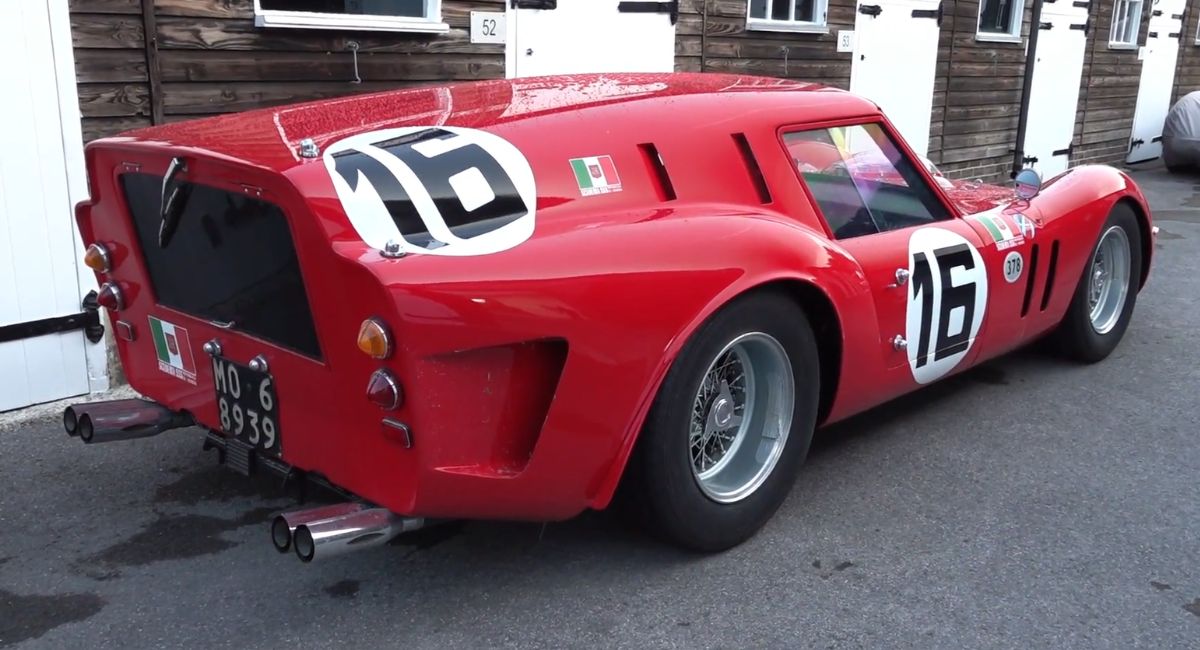
Seen from certain angles, it looked like somebody had grafted a delivery vehicle onto a racing Ferrari.
The French called it La Camionnette. English-speaking journalists gave it the name that stuck: the Breadvan.
Neither nickname was particularly flattering. We think that makes the car even better.
The design was driven by aerodynamics rather than traditional Italian elegance. Its sharply truncated Kamm-style tail was intended to manage airflow and reduce drag, while extensive modifications helped make the car lighter and more competitive.
Underneath sat Ferrari’s magnificent V12, but the body surrounding it had become something entirely different.
Here was a machine that valued speed over appearances and engineering over corporate approval.
That willingness to ignore convention produced another extraordinary machine decades later. The Renault Espace F1 took a family minivan and transformed it into an 800-horsepower racing prototype, proving that unconventional bodywork and serious motorsport engineering can make a remarkable combination.
And that’s precisely why we find it more interesting than yet another immaculate 250 GTO.
The GTO was gorgeous, certainly. But the Breadvan had something its factory-built rivals could never possess: it existed because somebody had told its creators they couldn’t have what they wanted.
Every strange angle was part of the answer.
The Breadvan’s unusual shape makes a lot more sense when you understand the rivalry behind it. This video from Triple Crown Racing takes a closer look at the car’s unconventional design, its origins, and the remarkable story of its appearance at Le Mans in 1962.
Le Mans 1962: Three Hours of Beautiful Insult
The ultimate confrontation arrived at the 1962 24 Hours of Le Mans.
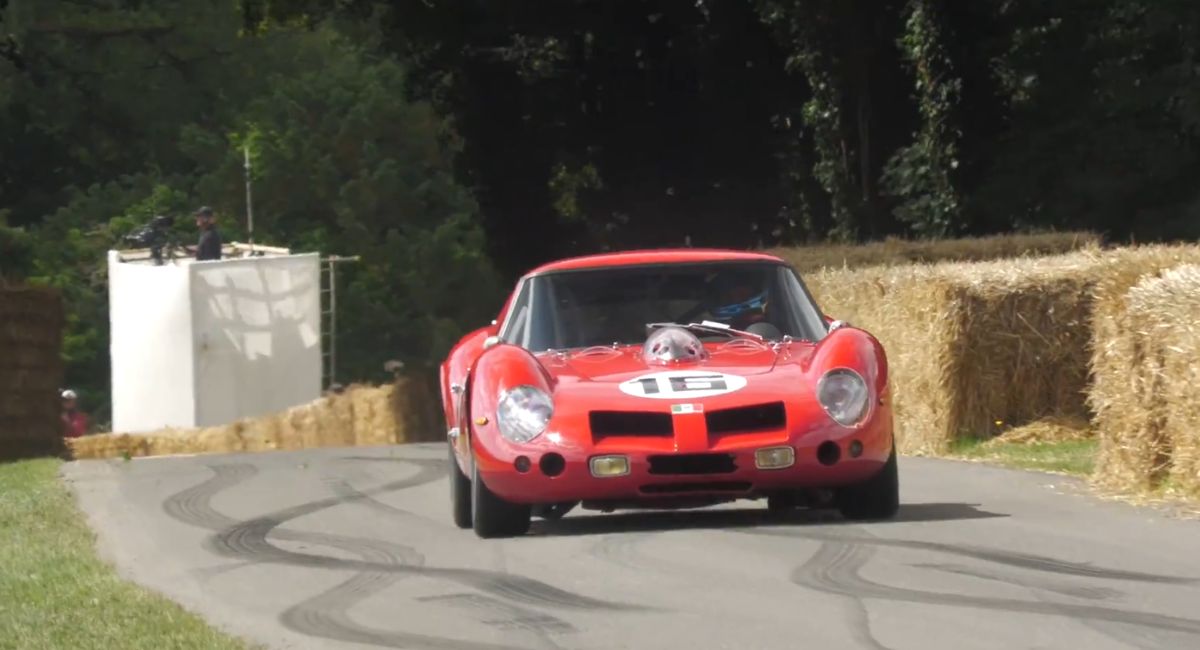
Scuderia Serenissima entered the Breadvan, carrying race number 16, with Carlo Maria Abate and Colin Davis sharing driving duties.
The Breadvan’s unmistakable shape was unlike anything else on the grid at Le Mans in 1962. The following racing simulation offers a closer look at the car’s unusual proportions, distinctive number 16, and the radical bodywork that made it one of Ferrari’s most recognizable creations.
Across the circuit were the Ferrari 250 GTOs, machines representing the very best of Maranello’s GT racing expertise.
Surely the factory’s carefully developed masterpiece would make short work of an eccentric privateer special? Not quite.
The Breadvan started exceptionally well, running ahead of the GTOs and climbing into the overall top ten. Volpi later recalled the car reaching seventh place during the early stages, immediately behind the sports prototypes.
Consider what that meant. A Ferrari that Enzo hadn’t authorized, modified under the direction of one of his former engineers, was running in front of the cars he had refused to sell.
For those opening hours, the Breadvan was more than a novelty. It was a serious racing machine embarrassing some extraordinarily expensive opposition.
Unfortunately, endurance racing doesn’t award trophies for spectacular beginnings. Around three hours into the race, a broken driveshaft ended the Breadvan’s challenge. It never reached the finish.
We could romanticize that result, but there’s no point pretending a retirement was a victory. The 250 GTO went on to establish an extraordinary competition record, and the Breadvan never displaced it as Ferrari’s dominant GT racer.
However, those three hours demonstrated something that a finishing position alone cannot explain. Ferrari’s engineering excellence wasn’t confined to Ferrari’s factory.
The people, knowledge, and imagination behind that excellence could exist elsewhere. Enzo had received a rather public demonstration.
The Rebellion Didn’t End at Le Mans
The Breadvan wasn’t merely a spectacular one-race experiment. It continued competing after Le Mans, recording GT-class successes at events including the Guards Trophy at Brands Hatch and the Ollon-Villars hill climb.
More than six decades after its famous appearance at Le Mans, the Breadvan can still be seen in action. This footage from the 2023 Goodwood Festival of Speed captures the unmistakable Ferrari V12 soundtrack and the unusual racing machine that began as Giovanni Volpi’s answer to Enzo Ferrari.
More importantly, Volpi’s ambitions extended beyond modifying existing Ferraris.
Serenissima eventually developed its own cars. By 1964, the operation had become a manufacturer, producing the mid-engined, V8-powered 308 V.
In 1966, a Serenissima Spyder appeared at Le Mans, making the team an actual constructor rather than simply an ambitious Ferrari customer. That appearance also ended in retirement, this time with gearbox trouble.
Serenissima never became the next Ferrari. Its cars didn’t conquer international motorsport, and its commercial influence remained limited. But dismissing the venture as a failure misses the point entirely.
Volpi helped create distinctive racing machines during an era when small groups of determined engineers could still challenge the automotive establishment with little more than expertise, money, and astonishing nerve.
The Breadvan remains the finest expression of that spirit.
Enzo Won the Races. The Breadvan Won Something Else.
There is no sensible argument that the Breadvan was a more successful competition car than the Ferrari 250 GTO. It wasn’t.
The GTO became one of the greatest GT racing cars ever created. Its competition achievements and extraordinary desirability are thoroughly deserved. But history doesn’t remember cars exclusively through championship tables.
That connection between engineering and automotive heritage remains relevant today, as Peugeot attempts to revive its own performance legacy with the electric E-208 GTi.
Some machines endure because they represent something that the established manufacturers would never have sanctioned. The Breadvan was one of those machines.
It challenged the notion that Ferrari’s greatest creations could only emerge under Enzo’s supervision. It demonstrated that brilliant engineering could survive outside Maranello’s gates.
And it exposed the absurdity of believing that an influential manufacturer could control every talented person who had ever worked for it.
Best of all, it accomplished this while looking like a racing car designed by somebody who had absolutely no interest in receiving Ferrari’s approval.
That’s why we would choose the Breadvan as the more fascinating story, even while acknowledging the GTO as the greater racing achievement.
Enzo Ferrari could refuse Giovanni Volpi a 250 GTO. He couldn’t prevent him from building something unforgettable.
And more than sixty years later, that wonderfully awkward, stubborn, magnificent Breadvan still feels like the perfect answer.
The Breadvan was just one remarkable chapter in Ferrari’s long and often turbulent racing history.
For a broader look at the ambition, rivalries, and legendary machines that shaped the Italian manufacturer’s legacy, this documentary explores Ferrari’s journey from Enzo’s early racing years to the team’s greatest achievements on the track.